


Optimizing Your Line for Chloride-Free Potash Fertilizer Success: A LANE Heavy Industry Guide
- Efat Elahi
- Dec 24, 2025
- 4 min read

Table of Contents
The Growing Demand for Specialty Potash
Unique Production Challenges: Why Standard Lines Fall Short
Engineering Solutions: Key Considerations for Line Optimization
LANE Heavy Industry Machinery: Built for Purity and Efficiency
Recommended Machinery for a High-Performance Line
Conclusion: Investing in Precision for Premium Product
1. The Growing Demand for Specialty Potash
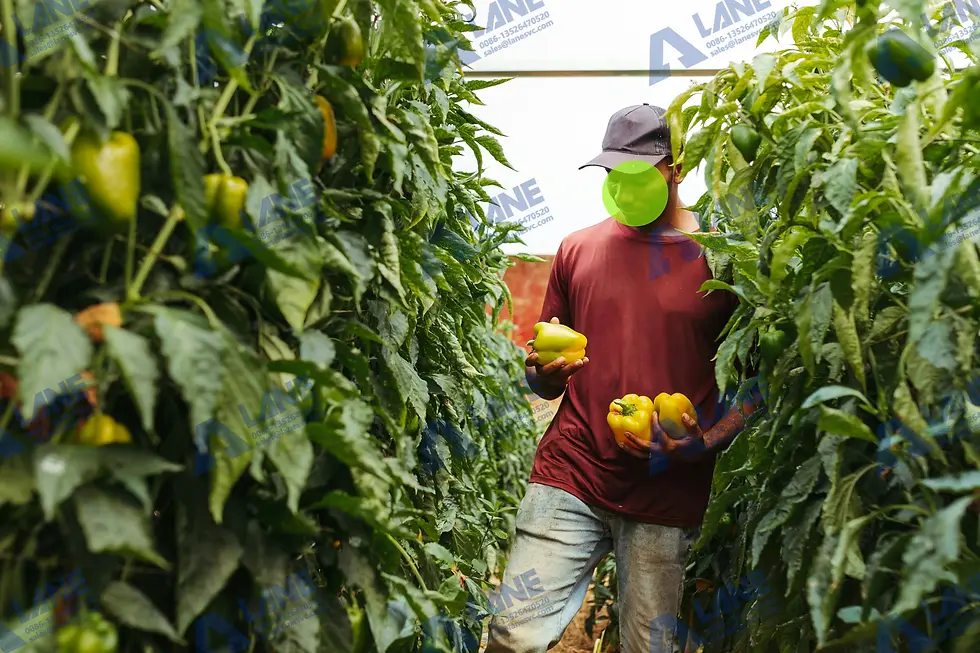
The demand for high-quality agricultural produce is surging. People are getting more and more conscious about their health. This increases the market share of premium crops. Chloride-free potash fertilizer is emerging as a premium choice for farmers worldwide. The most popular chloride-free potash fertilizer is Sulfate of Potash (SOP).Chloride-free potash fertilizer, primarily Sulfate of Potash (SOP) and Sulfate of Potash Magnesia (K-Mag), delivers potassium without the harmful salt index, reducing soil salinity and boosting crop quality, yield, and disease resistance.
Chloride-free fertilizers are ideal for sensitive crops such as fruits, vegetables, and tobacco. Moving from MOP as a potassium source requires more than just raw materials. It requires a heavily optimized SOP production line designed for a corrosive raw material.
2. Unique Production Challenges: Why Standard Lines Fall Short
Producing chloride-free potash fertilizer, especially SOP, comes with unique challenges that can hinder line efficiency and product quality.
Contamination Sensitivity: The value of the fertilizer depends on the low chloride content and purity of the fertilizer. The production line must have a contingency plan for contamination.
Material Handling: SOP crystals and granules have different properties than MOP. SOP needs proper conveyors that can withstand its material properties.
Granulation & Compaction: Achieving the ideal granulation size and strength requires optimized machinery.
Corrosion Management: The production process of SOP involves corrosive raw materials. This demands higher-grade raw materials.

3. Engineering Solutions: Key Considerations for Line Optimization
To overcome the challenges of SOP production, an optimized line must be designed with precision and purity. Key optimization areas include:
Dedicated or Rigorously Cleanable Lines: A dedicated production line with a proper cleaning schedule reduces the chance of contamination. If the production line is used for another fertilizer, then it must be cleaned before reuse.
Abrasion-Resistant Material Handling: Systems must be built with hardened steels, specialized liners, and designs that minimize degradation and dust formation.
Granulation Technology: The chloride-free potash fertilizer production line must offer adjustable parameters for pressure, moisture, and temperature to form durable granules specific to chloride-free potash fertilizer.
Corrosion-Resistant Construction: The inner parts of critical equipment must be constructed with corrosion-resistant materials.
4. LANE Heavy Industry Machinery: Built for Purity and Efficiency
LANE Heavy Industry offers a comprehensive range of machinery designed to address the challenges of chloride-free potash fertilizer production. Our philosophy centers on robust construction, precision engineering, and process adaptability. This makes our machines suitable for producing premium chloride-free potash fertilizer.LANE machines are engineered for:
Purity Integrity: Our designs incorporate space for easy cleaning. We help safeguard your product's impurity and chloride-free status.
Durability: We use high-grade, abrasion-resistant materials to withstand the demanding nature of fertilizer production. This reduces wear and maintenance downtime.
Process Control: Our granulators and dryers offer fine-tuned control, allowing operators to dial in the perfect conditions for consistent, high-quality output.
5. Recommended Machinery for a High-Performance Line
Here is a lost of core LANE machinery suite for an optimized chloride-free potash fertilizer production line:
Process Stage | LANE Heavy Industry Machine | Key Benefit for Chloride-Free Production |
Raw Material Feeding | Dynamic batching system | Ensures consistent, accurate raw material blend crucial for product chemistry. |
Granulation / Compaction | Creates strong, uniform granules with adjustable pressure; available in stainless steel contact parts. | |
Size Reduction | Chain Mill, vertical crusher | Provides controlled breaking of compacted sheets into uniform granules with minimal dust. |
Screening & Classification | Precisely separates on-size product, recycling fines back to the granulator for optimal yield. | |
Product Hardening & Drying | Gentle, consistent drying with controlled temperature to achieve final moisture specification. | |
Cooling & Final Processing | Rotary Drum Cooler | Stabilizes granules for storage and packaging, improving handleability. |

6. Conclusion: Investing in Precision for Premium Product
Optimizing production lines for chloride-free potash fertilizer is essential for meeting the growing global demand for high-quality, crop-friendly fertilizers. The market is defined by quality and reliability. Optimizing the production line with the right machinery is not an expense but the right investment, which results in a premium fertilizer that commands a higher price.With LANE’s expertise and reliable machinery, manufacturers can achieve sustainable success in the competitive chloride-free potash fertilizer market, delivering products that support modern agriculture and contribute to global food security. Our machines reduce operational costs and ensure the consistent output of high-quality chloride-free potash fertilizer that meets market standards.
Ready to create your own SOP fertilizer for saline soils System? Contact LANE Heavy Industry today for a detailed, no-obligation quote and feasibility analysis tailored to your specific fertilizer production goals.

Email: sales@lanesvc.com
Contact number: +86 13526470520
Whatsapp: +86 13526470520


Comments