


What You Need to Know About Bio-Liquid Fertilizer Production Process and Equipment


Table of Contents
Introduction
What is Bio-Liquid Fertilizer?
Overview of Bio-Liquid Fertilizer Production Process and Equipment
Key Machinery in the Production Line
Step-by-Step Bio-Liquid Fertilizer Production Process
Advantages of Using LANE Heavy Industry’s Equipment
Maintenance Tips for Bio-Liquid Fertilizer Production Equipment
FAQs
1. Introduction
In recent years, organic produced food became mainstream product. farmers and agribusiness are producing organic food for batter price and demand. This gave rise to the bio-liquid fertilizer. It is a sustainable solution for improving soil fertility and crop yield. It offers eco-friendly, nutrient-rich alternatives to synthetic fertilizers. At the heart of this industry lies the bio-liquid fertilizer production process and equipment. It determines the production efficiency, product quality, and operational sustainability of Bio-liquid fertilizer. For agricultural enterprises and fertilizer manufacturers, understanding the bio-liquid fertilizer production process and equipment is essential to building a competitive production line
This article breaks down everything you need to know about bio-liquid fertilizer production process and equipment with the help of advance liquid fertilizer production line from LANE Heavy Industry.
2. What is Bio-Liquid Fertilizer?
Bio-liquid fertilizer is a nutrient-rich liquid derived from organic materials like animal manure, crop residues, and beneficial microorganisms. Unlike chemical fertilizers, bio-liquid fertilizers improve soil health while promoting environmentally friendly farming practices. Proper production requires a combination of specialized machinery and controlled processes, collectively known as the bio-liquid fertilizer production process and equipment.
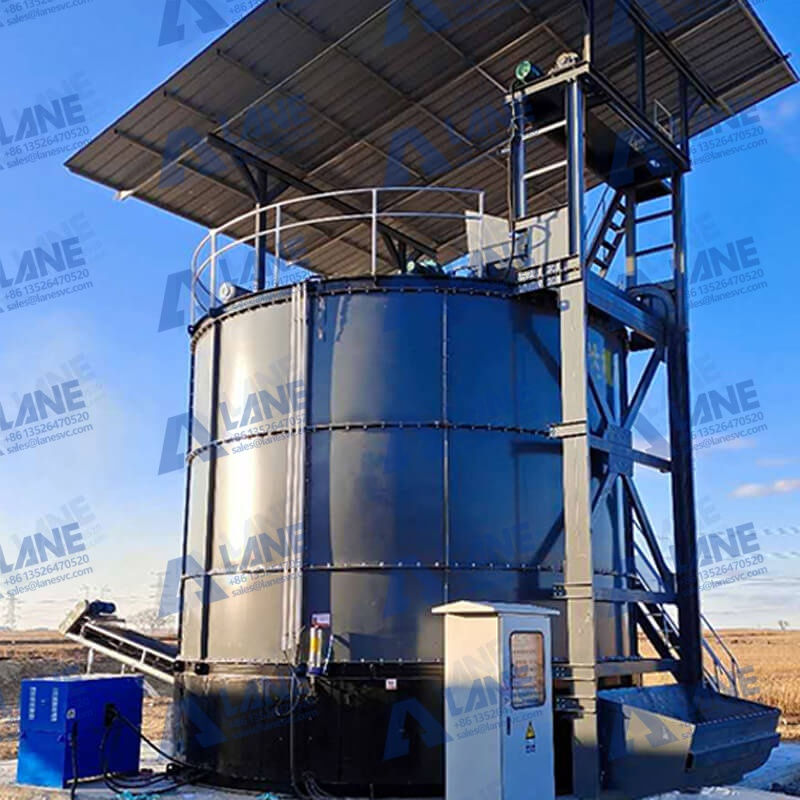
3. Overview of Bio-Liquid Fertilizer Production Process and Equipment
The bio-liquid fertilizer production process and equipment from LANE Heavy Industry ensures the production of high-quality fertilizer with maximum efficiency. The production line typically includes:
Raw material preparation
Fermentation
Filtration
Mixing and enrichment
Packaging
Each stage relies on precise machinery to maintain consistent quality and optimize production.
4. Key Machinery in the Production Line
LANE Heavy Industry offers a comprehensive set of machines that form the backbone of the bio-liquid fertilizer production process and equipment:
Fermentation Tank – A robust tank where organic matter undergoes controlled microbial fermentation.
Mixing Equipment – Ensures uniform consistency of raw materials and additives.
Filtration Systems – Removes solids and ensures the liquid fertilizer is free of debris.
Storage Tanks – Stores the bio-liquid safely before packaging.
Packaging Machines – Automatically fills bottles, drums, or containers, ready for distribution.
This combination of machinery allows manufacturers to achieve higher efficiency while maintaining eco-friendly standards.
5. Step-by-Step Bio-Liquid Fertilizer Production Process
Understanding the bio-liquid fertilizer production process and equipment requires looking at the workflow in detail:
Raw Material Collection and Pre-Treatment: Organic waste is collected, chopped, and pre-treated to ensure faster fermentation.
Fermentation: Microorganisms break down organic matter in the fermentation tank, producing nutrient-rich liquid. LANE Heavy Industry’s tanks provide temperature and aeration control for optimal microbial activity.
Filtration and Purification: The fermented liquid passes through filters to remove solids, ensuring a smooth, usable product.
Nutrient Enrichment: Additional nutrients or microbial cultures can be added to improve fertilizer quality.
Storage and Packaging: Finished bio-liquid fertilizer is stored in tanks and packaged using automated machines, minimizing contamination risks.
By following this workflow, manufacturers can produce high-quality fertilizer consistently and efficiently
6. Advantages of Using LANE Heavy Industry’s Equipment
LANE Heavy Industry is known for its reliable, energy-efficient bio-liquid fertilizer production process and equipment. Key advantages include:
High Production Efficiency: Automated machinery reduces labor costs and processing time.
Durable and Long-Lasting Machines: Designed to withstand heavy usage.
Eco-Friendly Operation: Reduces waste and emissions.
Customizable Production Lines: Machines can be tailored for different capacities and types of organic materials.
Consistent Quality: Ensures every batch meets industry standards.

7. Maintenance Tips for Bio-Liquid Fertilizer Production Equipment
Proper maintenance ensures longevity and smooth operation of your bio-liquid fertilizer production process and equipment. Tips include:
Regularly clean tanks and mixers to prevent microbial contamination.
Check filtration systems for clogging or wear.
Inspect pumps and pipelines for leaks.
Schedule periodic servicing for motors and automated machines.
Train staff to operate equipment safely and efficiently.
By adhering to maintenance protocols, manufacturers can avoid downtime and maintain product quality.
8. FAQs
Q1: What raw materials can be used for bio-liquid fertilizer?
A1: Common materials include animal manure, crop residues, food waste, and microbial inoculants.
Q2: Can the production line be scaled?
A2: Yes. LANE Heavy Industry offers customizable bio-liquid fertilizer production process and equipment suitable for small to large-scale operations.
Q3: How long does the fermentation process take?
A3: Typically, 7–15 days, depending on raw materials, microbial culture, and temperature control.
Q4: Is the bio-liquid fertilizer ready for direct application?
A4: Yes. After filtration and nutrient enrichment, it can be applied directly to crops or soil.
Q5: How energy-efficient is the LANE Heavy Industry production line?
A5: Their equipment is designed for low energy consumption while maximizing output.

Email: sales@lanesvc.com
Contact number: +86 13526470520
Whatsapp: +86 13526470520


Comments