


Organic Sugarcane Bagasse Compost 101: A Beginner's Guide to Sugarcane Waste Magic

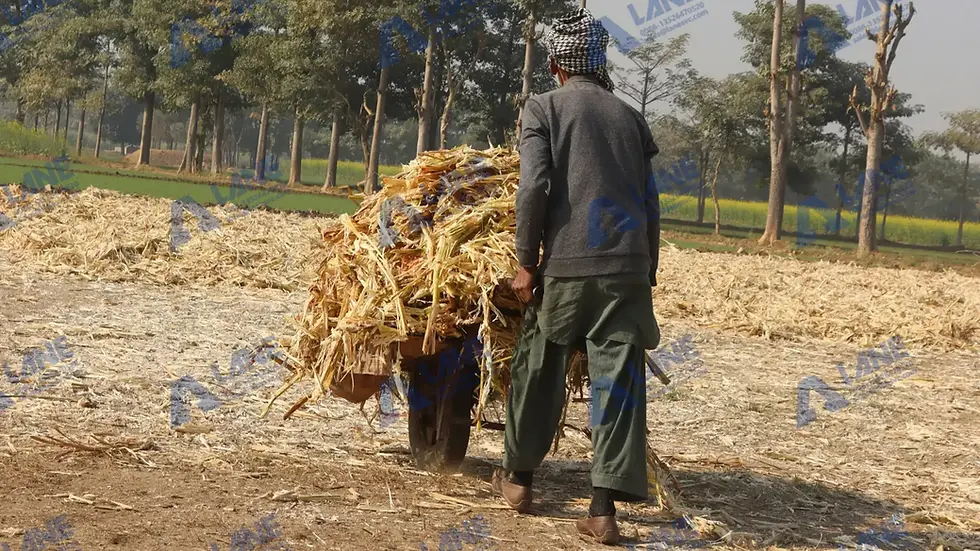
In modern sustainable agriculture, turning waste into nutrient-rich fertilizer is an environmentally friendly practice. Among these innovations, Organic Sugarcane Bagasse Compost stands out for its efficiency, eco-friendliness, and soil-enriching properties. With LANE Heavy Industry’s state-of-the-art organic fertilizer production line, sugarcane waste can now be transformed into high-quality compost with minimal effort and maximum results.
This guide will walk you through the basics of Organic Sugarcane Bagasse Compost, the machinery behind its production, and why it’s gaining global attention.
Table of Contents
Introduction to Organic Sugarcane Bagasse Compost
Benefits of Using Organic Sugarcane Bagasse Compost
Understanding the Sugarcane Bagasse Compost Production Process
LANE Heavy Industry Machinery: Revolutionizing Compost Production
Step-by-Step Guide: From Sugarcane Waste to Compost
Tips for Maximizing Compost Quality
Environmental Impact of Organic Sugarcane Bagasse Compost
Frequently Asked Questions (FAQ)
1. Introduction to Organic Sugarcane Bagasse Compost
Organic Sugarcane Bagasse Compost is a nutrient-rich, eco-friendly fertilizer made from the fibrous residue left after sugarcane juice extraction. Bagasse, often considered a waste product, is rich in cellulose, lignin, and essential nutrients, making it ideal raw material for composting. This nutrient filled raw material is often used as bio-fuel or send into landfills. LANE Heavy Industry’s production line turns this into high-quality organic Sugarcane Bagasse Compost that improves soil health, boosts crop yields, and supports circular agriculture. By converting this agricultural byproduct into compost, farmers can reduce waste while enriching their soil naturally.
2. Benefits of Using Organic Sugarcane Bagasse Compost
Here’s why Organic Sugarcane Bagasse Compost is becoming a staple in sustainable farming:
Soil Enrichment: Adds organic matter and nutrients essential for crop growth.
Waste Utilization: Turns sugarcane bagasse, previously considered waste, into a valuable resource.
Eco-Friendly: Reduces landfill waste and greenhouse gas emissions associated with organic decay.
Water Retention: Improves soil structure and increases moisture-holding capacity.
Enhanced Microbial Activity: Promotes beneficial microorganisms that aid plant growth.
With these advantages, it’s no surprise that farmers and agricultural businesses are adopting Organic Sugarcane Bagasse Compost as part of their standard fertilization practices.

3. Understanding the Sugarcane Bagasse Compost Production Process
Producing Organic Sugarcane Bagasse Compost requires precision and the right equipment. The process generally involves:
Collection of Bagasse: Gathering fresh sugarcane residue after juice extraction.
Pre-treatment: Shredding and mixing bagasse with other organic materials such as manure or crop residues to create C: N balance (25-30:1).
Composting: Using a controlled aerobic process where microorganisms break down the organic material.
Curing: Allowing the compost to mature until it becomes nutrient-rich and odorless.
Screening & Packaging: Separating fine compost from larger particles for commercial use.
This is where LANE Heavy Industry’s machinery shines, streamlining the entire production process.
4. LANE Heavy Industry Machinery: Revolutionizing Compost Production
LANE Heavy Industry offers a fully integrated production line specifically designed for Organic Sugarcane Bagasse Compost. Key features include:
Automatic Bagasse Shredders: This shredder reduces particle size for faster composting.
Fermentation Turners: Ensure uniform decomposition by aerating and mixing the compost regularly. LANE provides fermentation tank and compost turners for this process.
Screening Machines: Filter out impurities and deliver high-quality, consistent compost. LANE rotary screener and vibrating screener is used for this process.
Efficient Packaging Systems: Ready the finished product for storage or sale.
By leveraging these machines, agricultural businesses can increase output, reduce labor costs, and maintain consistent compost quality.
5. Step-by-Step Guide: From Sugarcane Waste to Compost
Producing Organic Sugarcane Bagasse Compost with LANE Heavy Industry machinery is surprisingly straightforward:
Feed Bagasse into the Shredder: Reduce the sugarcane waste into smaller pieces to speed up decomposition.
Mix with Organic Additives: Combine bagasse with manure, rice husk, or other composting material.
Load into Fermentation Tanks or Windrow Turner: This controlled environment allows aerobic microorganisms to work efficiently.
Regular Turning: Use fermentation turners to mix the compost and ensure uniform decomposition.
Curing and Screening: Let the compost mature before screening it for consistency.
Packaging and Storage: Your Organic Sugarcane Bagasse Compost is ready for field application or commercial distribution.

6. Tips for Maximizing Compost Quality
To get the most out of Organic Sugarcane Bagasse Compost, consider these tips:
Maintain a proper carbon-to-nitrogen (C:N) ratio for faster decomposition.
Keep moisture levels at 50–60% for optimal microbial activity.
Ensure proper aeration by regularly turning the compost.
Avoid using bagasse contaminated with pesticides or chemicals.
Store finished compost in a dry, shaded area to preserve nutrient content.
7. Environmental Impact of Organic Sugarcane Bagasse Compost
The use of Organic Sugarcane Bagasse Compost has a significant positive impact on the environment:
Waste Reduction: Converts sugarcane residues that would otherwise contribute to pollution.
Carbon Sequestration: Improves soil carbon content and mitigates greenhouse gas emissions.
Reduced Chemical Fertilizers: Lowers reliance on synthetic fertilizers, preventing soil and water contamination.
Sustainable Agriculture: Supports regenerative farming practices and long-term soil health.
LANE Heavy Industry machinery enables large-scale production of this eco-friendly compost, helping industries meet environmental and sustainability goals.
8. Frequently Asked Questions (FAQ)
Q1: What is Organic Sugarcane Bagasse Compost?
A1: It’s a nutrient-rich fertilizer made by composting sugarcane bagasse with other organic materials.
Q2: Can I use sugarcane bagasse alone for composting?
A2: Bagasse can be composted alone but mixing it with nitrogen-rich materials accelerates decomposition.
Q3: How long does it take to produce compost?
A3: Typically, 25–48 days, depending on environmental conditions and machinery efficiency.
Q4: Is LANE Heavy Industry machinery suitable for small-scale farms?
A4: While optimized for industrial-scale production, LANE offers scalable solutions for medium to large operations.

Email: sales@lanesvc.com
Contact number: +86 13526470520
Whatsapp: +86 13526470520


Comments