


Making Seaweed Extract Fertilizer: A Natural Approach to Liquid Plant Nutrition

As agriculture moves toward sustainability, seaweed has emerged as one of the most promising renewable raw materials for organic fertilizer. Rich in nutrients, growth hormones, and bioactive compounds, it provides plants with natural support for growth and resistance.The process of making seaweed extract fertilizer combines simple raw materials from the ocean with advanced extraction and blending technologies to create an efficient, eco-friendly liquid fertilizer.

Understanding the Value of Seaweed in Fertilizer Production
Seaweed is more than just marine vegetation. It is a natural source of over 60 minerals, amino acids, and plant growth regulators that stimulate root activity and improve nutrient uptake.When processed into seaweed extract fertilizer, these compounds become highly bioavailable — meaning plants can absorb and utilize them quickly.
Unlike traditional NPK fertilizers, seaweed extracts work holistically. They activate soil microbes, encourage strong root systems, and improve plant stress tolerance during drought or temperature extremes. For this reason, many modern farms and fertilizer manufacturers are incorporating seaweed extract into their liquid fertilizer production lines.
The Process of Making Seaweed Extract Fertilizer
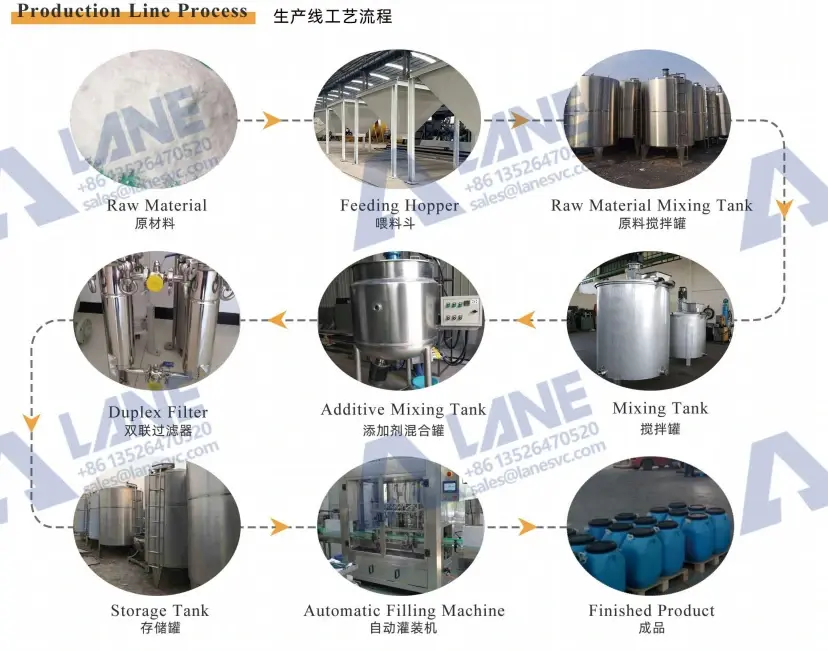
Producing seaweed extract fertilizer involves several controlled stages that preserve the natural biological activity of seaweed compounds. The goal is to extract nutrients efficiently without chemical degradation, ensuring that the final liquid fertilizer remains organic and stable.
1. Preparation of Raw Seaweed
Fresh or dried seaweed, often kelp or sargassum, is first cleaned to remove impurities like sand and salt. The material is then cut or crushed to increase its surface area, allowing for easier extraction of soluble nutrients.
2. Extraction and Hydrolysis
Extraction is the core stage of making seaweed extract fertilizer. Depending on the desired product quality, methods such as enzyme hydrolysis, alkaline extraction, or ultrasonic disruption can be used.
Enzyme hydrolysis is the most popular, as it gently breaks down seaweed cell walls while preserving bioactive components.
Alkaline extraction works well for large-scale production where slightly higher yields are prioritized.
During this phase, temperature, pH, and agitation speed are carefully controlled to ensure nutrient stability and biological effectiveness.
3. Filtration and Refinement
After extraction, the slurry passes through fine filters to remove insoluble residues. The result is a clear brown liquid — concentrated with plant hormones and minerals.High-quality facilities use dual filtration systems or centrifugal separators to ensure the extract can be safely used in fertigation or foliar spray systems without clogging.
4. Formulation and Mixing
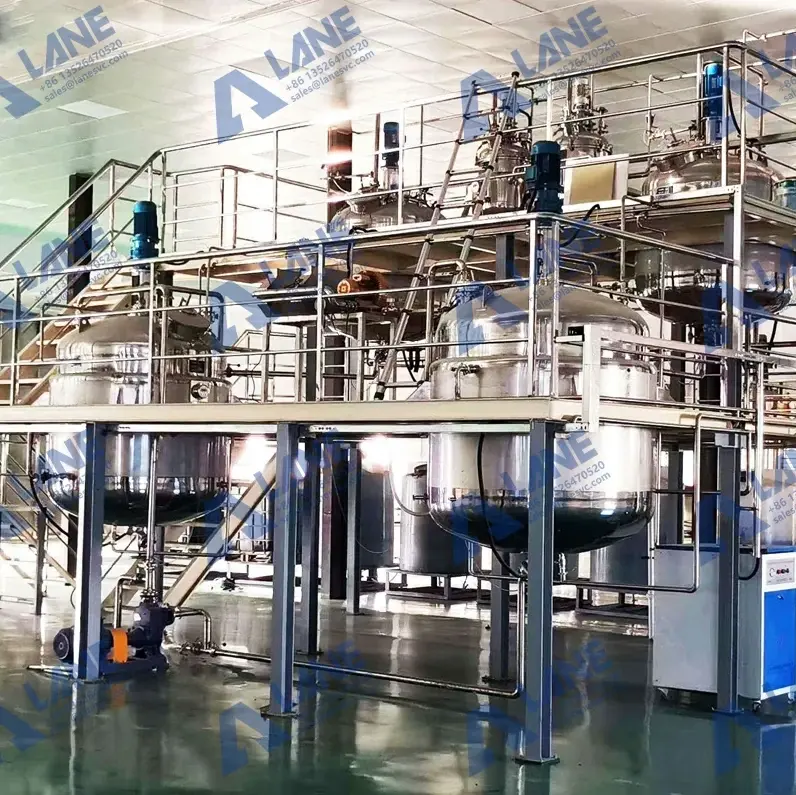
At this stage, the base extract is blended with other organic nutrients such as humic acid, amino acid, or trace elements. Using a stainless steel liquid fertilizer mixer and inline homogenizer, the solution achieves complete uniformity.This is where the LANE Heavy Industry system excels — offering automated mixing and metering equipment that maintains consistency across large batches.
5. Stabilization and Packaging
The finished seaweed extract fertilizer undergoes stabilization through mild heat or UV sterilization. It is then packaged in sealed drums or bottles, ready for agricultural use or export.
Applications in Modern Agriculture
Seaweed extract fertilizer is widely used in vegetables, fruit trees, cereals, greenhouse crops, and ornamental plants. Its versatility comes from its ability to be applied in several ways:
Foliar spraying — quickly delivers nutrients through the leaves.
Drip irrigation or fertigation — provides root-level feeding in hydroponic or field systems.
Seed soaking — promotes early germination and root vigor.
Farmers using seaweed extract fertilizer often report better plant health, increased yields, and reduced need for synthetic fertilizers.
Environmental and Economic Benefits
One of the major advantages of making seaweed extract fertilizer lies in its sustainability. Seaweed grows rapidly in marine environments without the need for freshwater, fertilizers, or pesticides. Harvesting and processing it leave a minimal carbon footprint compared to land-based crops used for fertilizer production.
Furthermore, seaweed extract production supports coastal economies by creating new industries in seaweed farming, drying, and biofertilizer processing. As more countries adopt circular economy practices, seaweed-based fertilizers are expected to become a core part of sustainable agricultural strategies.
Equipment for Seaweed Extract Production
To achieve consistent quality and scale, specialized liquid fertilizer production equipment is often used:
Stainless steel extraction tank for temperature-controlled hydrolysis
Agitation and mixing system with speed regulation
Multi-stage filtration unit for fine separation
Inline homogenizer for stable emulsification
Filling and packaging system for final product bottling
These systems ensure that every liter of seaweed extract fertilizer maintains uniform nutrient content, biological activity, and long shelf life — essential for both commercial farmers and fertilizer distributors.
Conclusion
The process of making seaweed extract fertilizer demonstrates how modern agriculture can align with nature.By extracting the rich nutrients and growth hormones found in seaweed, producers can offer farmers a natural alternative to chemical fertilizers — one that enhances soil vitality, improves crop resilience, and protects the environment.
As demand for organic and sustainable fertilizers continues to rise, seaweed extract will remain one of the most valuable liquid fertilizers shaping the future of green agriculture.
Email: sales@lanesvc.com
Contact number: +86 13526470520
Whatsapp: +86 13526470520


Comments