


Integrating Organic Fertilizer Examples into an Efficient Production Line
- Efat Elahi
- Jan 20
- 4 min read

Table of Contents
The Integration Challenge: Diverse Inputs, Consistent Output
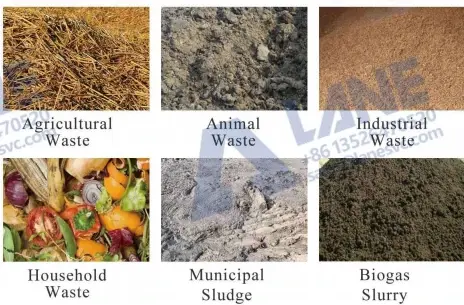
Core Organic Fertilizer Examples and Their Processing Personalities
Designing for Flexibility: The Integrated Line Blueprint
Smart Machinery for Seamless Integration
Operational Workflow: From Variable Input to Consistent Output
FAQ: Managing a Multi-Feedstock Production Line
The Path to Streamlined Production
1. The Integration Challenge: Diverse Inputs, Consistent Output
Continuous use of chemical fertilizer has left our fields barren. It makes us more dependent on the chemical fertilizer. Farmers all over the worlds noticed it and started using Organic fertilizers. Its not only provide nutrients to crops, it also improves the soils quality. LANE Heavy Industry's fully automatic organic fertilizer production line, which provides a reliable solution for large-scale production. It can transform variable, often inconsistent organic fertilizer examples into a standardized, high-quality product.
This article takes typical organic fertilizer examples as the starting point to elaborate on the integration path and practical points.
2. Core Organic Fertilizer Examples and Their Processing Personalities
To build an adaptable line, we must first understand the key material categories. Each presents distinct opportunities and challenges for integration.
High-Moisture, High-Nitrogen Examples: This includes fresh poultry manure and food processing waste. Their primary challenge is moisture reduction (often 60-80%), requiring robust dewatering or pre-composting stages to make them suitable for granulation.
Bulky, Fibrous Examples: Crop residues (like straw), yard waste, and bagasse fall here. They demand powerful, shear-based shredding to reduce particle size and prevent wrapping on machinery shafts, which can clog the line.
Dense, Dry Examples: Alfalfa meal, bone meal, and cake-based meals (e.g., neem cake). These are easier to handle but may require moisture addition for effective pelletizing and can be dusty, needing containment.
Pre-Processed/Composted Blends: Municipal solid waste compost or custom pre-blends. These are more homogenous but require precise screening to remove contaminants and consistent crushing to ensure uniform granulation.

3. Designing for Flexibility: The Integrated Line Blueprint
An integrated efficient production line is not a rigid sequence but a modular system with decision points. The LANE blueprint is built around a core pathway with strategic bypasses and adjustable parameters:
Universal Pre-Stage (The "Incoming Bay"): All organic fertilizer examples enter here. A LANE heavy-duty dual-shaft shredder handles everything from fibrous stalks to lumpy compost. An integrated weigh-belt conveyor allows for precise recipe formulation if blending multiple materials at input.
The Conditioning Corridor: This is where the line adapts. High-moisture materials are automatically diverted through a dewatering press or directed to a dedicated high-rate composting lane. Drier materials bypass this, moving directly to the next stage. This prevents the entire line from being slowed by the wettest feedstock.
The Homogenization Hub: Here, all diverging paths reconvene. A large-capacity horizontal mixer blends different batches or corrects moisture content to a target range, ensuring a consistent feed for the granulation stage, regardless of the starting materials.
Adaptable Formation & Finishing: The granulator (we often recommend a flexible rotary drum type) can have its internal liquid spray system adjusted based on the material's binder needs. The subsequent dryer's temperature and airflow are controlled via a central panel, allowing quick adjustments for different pellet densities.
4. Smart Machinery for Seamless Integration
LANE equipment is selected for its ability to handle a spectrum of materials without constant mechanical modification.
Intelligent Compost Turners: Our Crawler hydraulic compost turners can adjust turning depth and speed based on material density, ensuring equal aeration for both light green waste and dense manure piles.
Non-Clog Granulation Technology: Our Stirring Pin Organic granulator uses a unique wet-granulation principle that is less sensitive to fiber content and particle size variation than traditional dry methods, producing consistent pellets from different organic fertilizer examples.
Centralized Control System: The heart of integration. This PLC-based system allows operators to select a "recipe" (e.g., "Poultry Manure Blend" or "Plant-Based Mix"). The system then auto-adjusts conveyor speeds, mixer retention times, dryer temperatures, and crusher settings for optimal processing of that specific material type.

5. Operational Workflow: From Variable Input to Consistent Output
In practice, integration looks like this: A load of wet brewery grains arrives. The operator selects the "High-Moisture Biomass" recipe on the control panel. The line automatically routes the shredded material for extended drying and directs a higher ratio of dry amendment (like alfalfa meal) into the mixer to balance moisture. The following day, with a switch to "Dry Meal Blend," the system bypasses the extended dryer, increases binder spray in the granulator, and adjusts cooler settings. The result is two different products from the same line with less than an hour of changeover time.
6. FAQ: Managing a Multi-Feedstock Production Line
Q: Won't switching between very different materials contaminate my batches?
A: Proper line design includes purge cycles and clean-out points at strategic intervals (like the mixer and granulator). Using sequenced air blasts and strategic "buffer" batches of neutral material effectively prevents cross-contamination.
Q: How do I maintain consistent NPK analysis with variable inputs?
A: Integration requires good feedstock management. We recommend pre-testing incoming materials and using our automated batching software. The system can calculate and blend different organic fertilizer examples on the front end to hit a target nutrient profile before they even enter the main processing line.
Q: Is an integrated line more expensive than a dedicated one?
A: There is a modest initial premium for the added flexibility and control systems. However, the long-term ROI is superior due to reduced sourcing risk, the ability to capture lower-cost or seasonal feedstocks, and the agility to meet changing market demands without reinvesting in new equipment.
7. The Path to Streamlined Production
Integrating diverse organic fertilizer examples into a single, efficient production line represents the future of organic fertilizer manufacturing. This allows producers to leverage local waste streams, mitigate supply chain risks, and create unique, value-added products. By taking targeted measures for different organic fertilizer examples, the production line realizes the transformation from organic waste to high-quality fertilizer. With continuous optimization of intelligent technology, LANE's production line will provide more flexible solutions for the diversified production of organic fertilizers.

Email: sales@lanesvc.com
Contact number: +86 13526470520
Whatsapp: +86 13526470520


Comments