


Fish Protein Liquid Fertilizer Plant: A Complete Guide to Sustainable Liquid Fertilizer Production

Updated: Nov 17, 2025
A fish protein liquid fertilizer plant is a modern facility designed to transform fish waste—including offcuts, viscera, skin, bones, and seafood by-products—into nutrient-rich liquid fertilizer through controlled enzymatic hydrolysis and advanced purification processes. This type of plant provides a sustainable solution for industries where fish residues are generated in large quantities, such as seafood processing factories, aquaculture operations, fish markets, and coastal processing zones.
As the global agricultural sector increasingly values environmentally friendly nutrient sources, fish protein liquid fertilizer has become a fast-growing product due to its high amino acid content, excellent plant absorption rate, and strong compatibility with drip irrigation and foliar application systems. By establishing such a plant, companies not only reduce waste disposal costs but also create a profitable, environmentally compliant product line that supports organic and sustainable farming practices.

Raw Materials and Their Unique Advantages
A wide range of fish-derived materials can be used in a fish protein liquid fertilizer plant, allowing producers to maintain a flexible and cost-effective operation. Typical raw materials include fish heads, tails, bones, skins, and trimmings removed during processing, as well as viscera, low-value or damaged fish, aquaculture residues, shrimp shells, crab remains, and other seafood waste. These materials naturally contain abundant organic nitrogen, amino acids, fatty acids, vitamins, and trace minerals that plants can absorb quickly when converted into a liquid fertilizer through hydrolysis.
Unlike chemical fertilizers that provide nutrients in a relatively narrow form, fish protein offers a full spectrum of bioactive compounds that improve soil structure, stimulate beneficial microbial activity, enhance plant immunity, and boost crop yield and quality. The organic nature of fish protein fertilizer makes it suitable for certified organic farms and growers seeking more sustainable nutrient inputs.
Core Processing Workflow
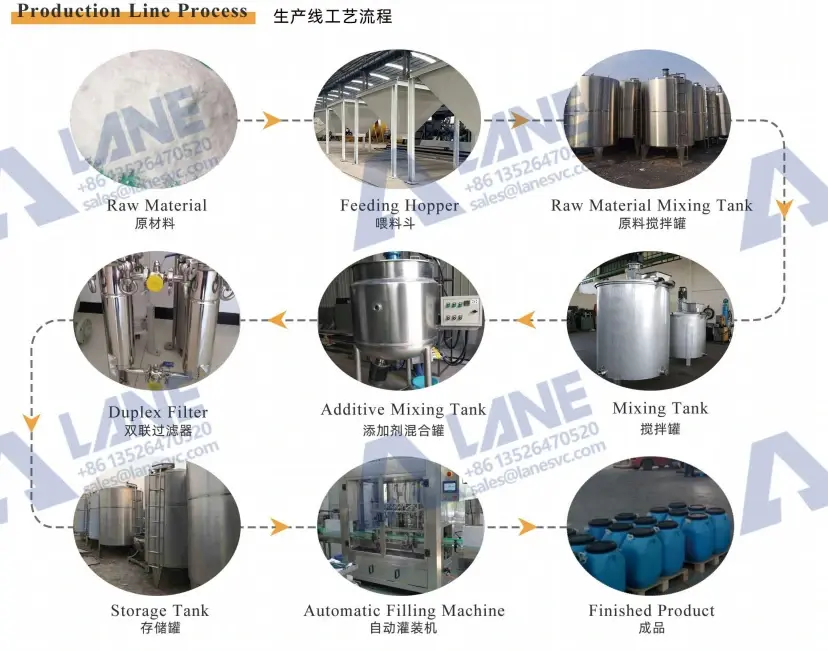
The production process in a fish protein liquid fertilizer plant is straightforward but requires precise control to ensure nutrient quality and product stability.
1. Crushing and Pre-treatment
Raw fish residues are first broken down using a stainless-steel crushing machine. Oil and impurities may be separated at this stage to ensure cleaner hydrolysis and better product texture.
2. Enzymatic Hydrolysis
This is the key step. Materials are transferred to stainless steel mixing tanks, where enzymes, pH, and temperature are carefully controlled.
The proteins break down into amino acids and peptides.
The slurry becomes a nutrient-dense liquid base.
Enzymatic hydrolysis ensures high bioavailability without chemical residues.
3. Filtration and Purification
After hydrolysis, the mixture passes through dual filter systems, mesh filters, and optional microfiltration units.This removes solid particles, bones, scales, and ensures a smooth, stable liquid fertilizer.
4. Deodorization and Homogenization
A deodorizing system reduces fishy odors, while homogenizing mixers improve liquid consistency.Optional steps include pH adjustment and microbial enhancement.
5. Storage and Filling
The final product is pumped into stainless steel storage tanks for aging, settling, and stabilization.Automatic filling machines then package the fertilizer into bottles, drums, or IBC tanks depending on market requirements.
Benefits of Establishing a Fish Protein Liquid Fertilizer Plant
Building a fish protein liquid fertilizer plant offers strong economic, agricultural, and environmental advantages.
Economically, it allows companies to turn low-value fish waste into a high-margin product that is in growing demand among organic farms, greenhouse producers, fruit growers, and modern irrigation consumers.
Agriculturally, fish protein liquid fertilizer enhances root vigor, soil microbial balance, nutrient uptake efficiency, and crop resistance to stress, drought, and disease, ultimately improving yield and product quality across a wide range of crops.
Environmentally, the plant reduces waste disposal needs, eliminates pollution risks associated with dumping fish residues, and supports circular economy development by converting waste into valuable agricultural resources. Additionally, the production line is highly scalable, making it suitable for small, medium, and industrial-level manufacturers depending on budget and raw material availability.
Applications of Fish Protein Liquid Fertilizer
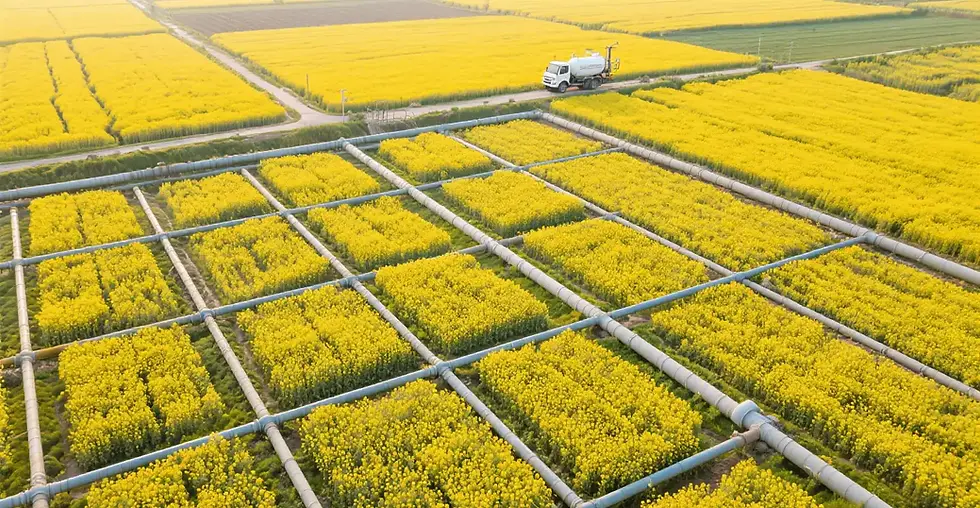
The final product from a fish protein liquid fertilizer plant has broad applications across many agricultural sectors due to its liquid form and high nutrient absorption rate. Farmers use it through drip irrigation systems, foliar spraying, fertigation pipelines, hydroponic nutrient solutions, seed soaking treatments, and soil improvement programs. It benefits vegetables, fruit trees, grains, flowers, tea plantations, nursery seedlings, and greenhouse crops. Because the fertilizer is completely soluble and biologically active, it integrates smoothly into modern farming technologies and provides visible improvements in crop vigor, root development, leaf color, and overall productivity.
Conclusion
A fish protein liquid fertilizer plant is an efficient, sustainable, and profitable solution for enterprises seeking to convert fish waste into high-value organic fertilizer. Through controlled enzymatic hydrolysis, precision filtration, and modern stainless steel equipment, the plant produces a stable and nutrient-rich liquid fertilizer suitable for a wide variety of agricultural applications.
As global agriculture continues shifting toward organic and eco-friendly nutrient sources, fish protein fertilizer is becoming an increasingly important product in domestic and international markets. Establishing such a plant not only reduces environmental impact but also opens new opportunities for long-term commercial growth.
Email: sales@lanesvc.com
Contact number: +86 13526470520
Whatsapp: +86 13526470520


Comments